Photography Insights for Hiring a Phoenix Photographer
Transform Your Brand: How Professional Photography Drives Business Success
In the current competitive landscape, the importance of professional photography is undeniable. Businesses that commit to high-quality imagery tend to experience stronger brand recognition and increased consumer trust. Visual storytelling plays a vital role in fostering connections with audiences. That said, not every image fulfills the same objective. Knowing how to select the ideal photographer and leverage visuals strategically can create a significant impact. What methods can businesses use to enhance the effectiveness of their visual content?
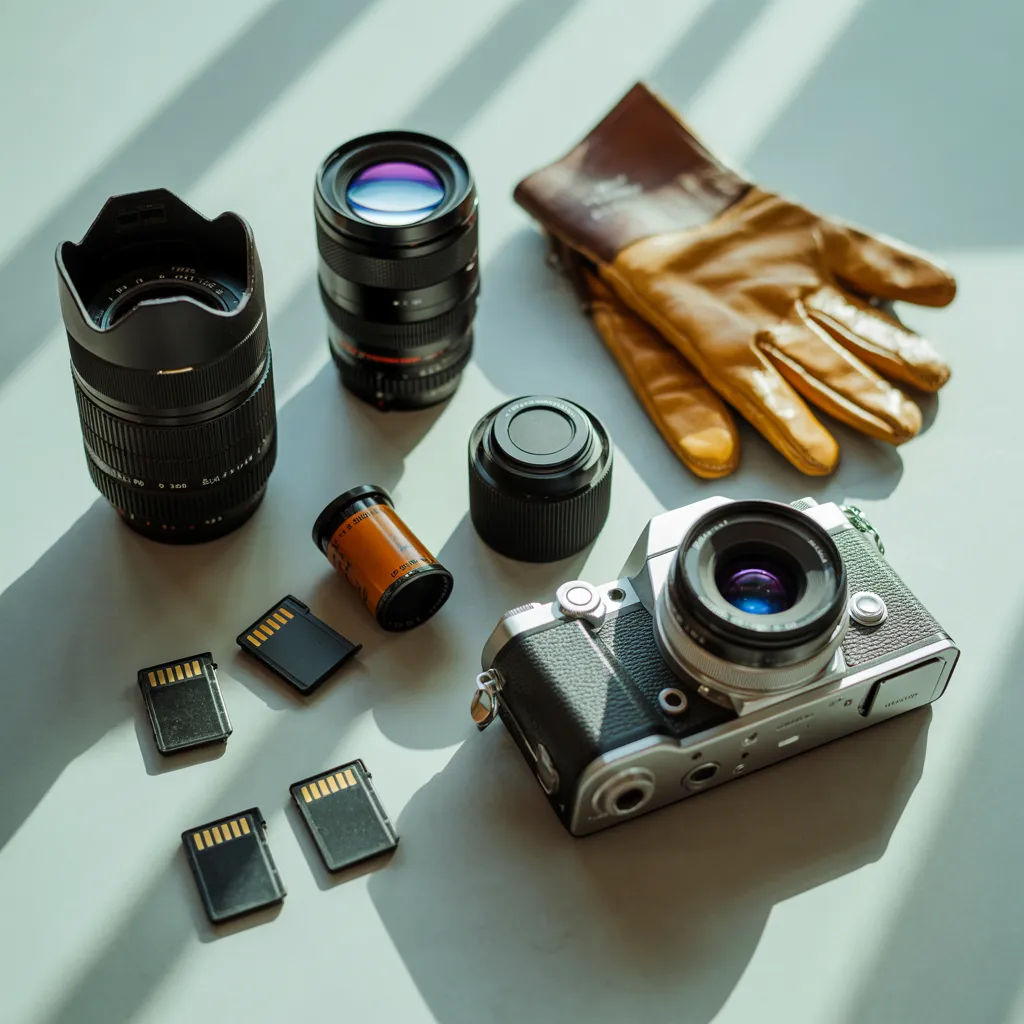
Why Professional Photography Should Matter to You
Why should businesses invest in professional photography? This can be understood through the significance of first impressions. Premium-quality photos can significantly elevate a brand's reputation, conveying professionalism and attention to detail. Within a visually oriented business landscape, potential customers often judge a business based on its visual content. Expert photography presents products and services in the most favorable way, capturing and maintaining the curiosity of prospective buyers.
Additionally, cohesive and polished visuals aid in building brand awareness and recognition. Authenticity is essential; professionally taken images can develop an engaging narrative that resonates with audiences. Investing in this can produce increased engagement across multiple channels, from web pages to social media platforms.
In the end, companies that invest in expert photography establish themselves as frontrunners in their field, cultivating credibility and trust. In an era where imagery holds unparalleled power, the need for professional images is not just advantageous—it's vital for long-term success.
The Importance of Visual Storytelling in Brand Engagement
In the modern competitive environment, visual narratives have risen as a compelling strategy for audience engagement. By weaving narratives through images, brands can create emotional connections with their audiences, ensuring their communications are more engaging and unforgettable. This approach transcends traditional marketing techniques, permitting organizations to convey their principles, objectives, and identity through powerful visuals.
Effective visual storytelling attracts interest and builds stronger connections, motivating customers to commit to the brand. It allows companies to present their offerings in real-world scenarios, demonstrating how they improve daily living. Through carefully curated imagery, companies can emphasize their distinctive advantages and differentiate themselves from competitors.
Moreover, visual content amplifies online visibility, as distributable content boosts exposure and stimulates audience engagement. Through incorporating premium visuals that connect with intended audiences, businesses can nurture loyalty and enhance engagement, thereby supporting sustained business growth.
How High-Resolution Images Foster Consumer Trust
Premium-quality visuals act as a foundation for building consumer trust in today's digital marketplace. They provide a visual representation of a brand's identity, communicating expertise and precision. When consumers are presented with clear, professionally composed visuals, they are more likely to view the brand as trustworthy and dependable. This understanding is vital, especially in an environment filled with rivals and misleading content.
Moreover, high-quality images enhance the overall user experience, transforming websites and social media channels into more compelling destinations. They enable prospective customers to picture products or services, building a sense of familiarity and trust. As shoppers increasingly turn to visual signals to shape their buying decisions, brands that invest in professional photography distinguish themselves from competitors.
In the end, the effect of high-quality images extends beyond aesthetics; they establish a robust foundation for trust, promoting customer loyalty and supporting business prosperity.
How to Choose the Right Photographer
Picking the best photographer is essential for aligning visual content with a brand's identity. It entails carefully defining the business vision, evaluating the quality of the photographer's portfolio, and considering budget options. By focusing on these key factors, businesses can form informed decisions that enhance their visual presence.
Clarify Your Brand Vision
A well-defined brand strategy acts as the basis for identifying the right photographer. Companies must first establish their values, identity, and target audience, as this understanding directs the visual approach needed to effectively communicate their brand story. Determining whether the business gravitates toward a contemporary, minimalist style or a lively, engaging aesthetic is vital. Additionally, identifying specific goals—such as strengthening online impact or producing powerful marketing assets—will influence the selection of a photographer whose capabilities corresponds to these aims. By identifying the target emotional reaction from the viewers, companies can confirm they select a photographer who can capture the essence of their brand vision. This strategic alignment significantly strengthens the overall effectiveness of the brand imagery.
Assess Portfolio Quality
When reviewing photographers, the quality of their portfolio serves as a key indicator of their skills. A thorough portfolio showcases a range of styles and subjects, allowing prospective clients to evaluate the photographer's versatility and technical skills. It is critical to look for consistency in lighting, composition, and image quality, as these elements reflect the photographer's dedication to detail. Moreover, examining past work relevant to the particular consult this source industry can provide insight into how well the photographer comprehends branding and marketing requirements. Testimonials or case studies accompanying the portfolio may additionally strengthen credibility. In conclusion, a well-curated portfolio not only showcases artistic vision but also confirms the photographer's ability to achieve results that correspond with a business's goals.
Consider Budget Options
Evaluating portfolio standards establishes the groundwork for finding the most suitable photographer, but cost factors hold equal significance in the decision-making process. Companies should define a clear budget that supports their business objectives. This budget should cover not only the photographer's fees but also possible extra expenses, such as editing, travel, and licensing fees. Comparing multiple photographers enables organizations to strike a middle ground between excellence and budget. It is essential to communicate needs and expectations upfront to eliminate surprise charges. Moreover, some photographers could provide special packages or price reductions for bigger assignments, providing further options for financially mindful organizations. In the end, careful financial planning can produce a productive partnership that enhances brand image without exceeding the budget.
Employing Images Strategically Across Platforms
Harnessing the potential of images can significantly boost a brand's presence across various platforms. Effective image use requires an understanding of the distinct characteristics of each platform. For one thing, bold, attention-grabbing visuals work well on social media, driving user engagement and sharing. In contrast, crisp, high-quality images are vital for websites and e-commerce platforms, where they build trust and credibility.
Furthermore, consistency in visual style—image quality, color schemes, and fonts—reinforces brand identity. Adapting images for specific formats, like square crops for Instagram and landscape orientations for Facebook, ensures optimal display and viewer experience. Furthermore, using images in email marketing may substantially improve open and click-through rates.
Case Studies: Lessons From Successful Brands
Established brands showcase the profound influence of expert photography on business success. For instance, a prominent beauty brand redesigned its marketing strategy by employing high-quality images that showcased its products in real-world settings. This transition generated a 30% growth in online sales across a six-month timeframe, demonstrating the effectiveness of engaging visual content.
Similarly, a luxury hospitality brand leveraged expert photography to feature its unique amenities and breathtaking views. The remarkable visuals not only strengthened their website but also boosted social media interactions, producing a 50% rise in reservations booked directly.
A further illustration is a apparel company that invested in a unified brand aesthetic through expert photography sessions. This method not only elevated its brand image but also fostered a loyal customer base, demonstrated by a 40% rise in recurring sales. These real-world instances underscore how the thoughtful integration of professional photography can greatly enhance brand identity and generate measurable results.
Common Questions and Answers
What Is the Typical Budget for Professional Photography Services?
Setting aside funds for professional photography services generally falls between $500 and $5,000, influenced by elements including project complexity, the photographer's experience level, and usage rights. Businesses should assess their needs to determine an appropriate budget within this range.
Should I Use Stock Photos Instead of Hiring a Professional Photographer?
Utilizing stock images can be a cost-effective alternative to hiring a professional, but they may fall short on originality and individuality. Companies ought to consider the value of authentic visuals against cost considerations when determining photo strategies.
How Often Should I Update My Brand Images?
Brands must refresh their visuals every one to two years to keep pace with evolving trends and stay relevant. Consistent renewals ensure the brand aesthetic fresh, connecting with audiences and reinforcing brand loyalty through steady, polished imagery.
Which Types of Photography Work Best for My Industry?
Lifestyle, product, and event photography are vital for most industries. Companies should focus on superior-quality visuals that resonate with their desired demographic, demonstrating authenticity and expertise to elevate brand image and customer interaction with lasting impact.
How Can I Measure the Impact of Photography on My Brand?
To measure visual photography's influence on a brand, businesses can study performance metrics, monitor conversion data, obtain customer feedback, and assess brand awareness using surveys, ultimately assessing how visual content influences overall company performance.