Phoenix Photographer for Branding Photos
Elevate Your Brand: The Impact of Professional Photography on Business Success
In today's competitive market, the significance of professional photography cannot be overstated. Brands that invest in high-quality imagery often enjoy enhanced reputations and stronger consumer trust. Visual narratives serve a critical function in establishing genuine connections with target audiences. Nevertheless, not all visuals are designed to achieve the same goal. Learning how to identify the right photographer and apply visuals purposefully can yield remarkable results. What strategies can brands employ to maximize the impact of their imagery?
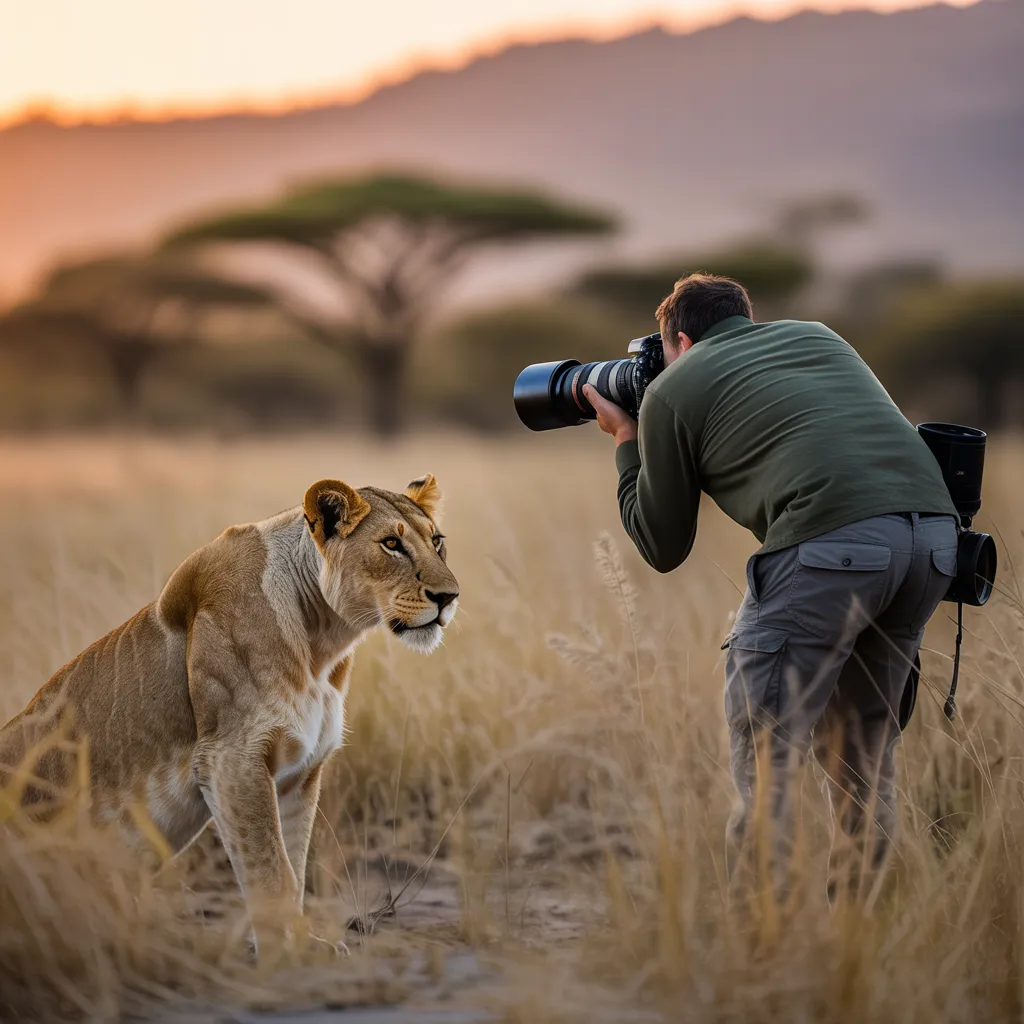
Reasons Why Professional Photography Deserves Your Attention
Why should businesses invest in professional photography? The key reason comes down to the impact of first impressions. High-quality images can greatly enhance a brand's image, demonstrating expertise and a commitment to quality. Within a visually oriented business landscape, potential customers often judge a business based on its visual content. Professional photography showcases products and services in their best light, drawing in and holding the attention of potential customers.
Additionally, uniform and professional visuals contribute to establishing a strong brand presence. Authenticity is vital; images taken by professionals can develop an engaging narrative that resonates with audiences. Such an investment may result in enhanced interaction across a range of platforms, from web pages to social media platforms.
In the end, businesses that commit to high-quality photography establish themselves as frontrunners in their field, cultivating trust and credibility. During a time when visual content dominates, the need for professional images is not just advantageous—it's critical for lasting growth.
The Importance of Visual Storytelling in Brand Engagement
In today's competitive landscape, visual storytelling has become an essential instrument for brand engagement. By building narratives with imagery, brands can establish deep emotional ties with their followers, making their messages more relatable and memorable. This strategy goes beyond conventional marketing methods, allowing companies to communicate their values, mission, and personality through compelling visuals.
Compelling visual narratives captures attention and fosters deeper interactions, motivating customers to commit to the brand. It allows companies to present their offerings in real-world scenarios, demonstrating how they improve daily living. Via strategically chosen images, businesses can showcase their key differentiators and distinguish themselves within their industry.
In addition, storytelling through visuals boosts social media engagement, as compelling content expands reach and promotes audience involvement. Through incorporating striking visuals that align with target audiences, brands can cultivate loyalty and drive engagement, which ultimately drives lasting commercial achievement.
How High-Resolution Images Foster Consumer Trust
High-quality images act as a foundation for building consumer trust in the modern digital landscape. They offer a visual representation of a brand's identity, conveying professionalism and attention to detail. When consumers encounter crisp, well-composed photos, they are inclined to view the brand as trustworthy and dependable. This impression is essential, especially in an environment saturated with competing brands and inaccurate information.
Additionally, premium-quality visuals elevate the overall user experience, transforming websites and social media channels into more compelling destinations. They help potential clients envision products or services, building a sense of familiarity and trust. As buyers increasingly depend on visual elements to guide their purchasing choices, organizations that commit to professional photography stand out among their competitors.
Ultimately, the impact of premium images transcends simple visual elements; they establish a solid foundation for reliability, inspiring customer loyalty and propelling business prosperity.
Tips for Choosing the Ideal Photographer
Picking the right photographer is crucial for connecting visual content with a business's identity. It involves carefully defining the brand vision, evaluating the quality of the photographer's body of work, and considering budget options. By focusing on these key factors, businesses can make informed decisions that improve their visual impact.
Establish Your Brand Vision
A precise brand strategy serves as the basis for identifying the ideal photographer. Organizations must first define their goals, values, and target audience, as this clarity guides the photographic style needed to clearly express their message. Understanding whether the business tends toward a sleek, modern look or a bold, energetic style is critical. Furthermore, establishing clear objectives—such as improving digital visibility or developing compelling promotional content—will shape the selection of a photographer whose capabilities corresponds to these objectives. By recognizing the intended emotional impact from the viewers, companies can ensure they select a photographer who can reflect the spirit of their brand vision. This strategic alignment significantly strengthens the overall effectiveness of the visual storytelling.
Review Portfolio Quality
When evaluating photographers, the standard of their portfolio serves as a key indicator of their capabilities. A comprehensive portfolio showcases a breadth of styles and subjects, allowing interested clients to evaluate the photographer's versatility and technical skills. It is important to look for consistency in image quality, composition, and lighting, as these aspects reflect the photographer's commitment to detail. Moreover, assessing prior work relevant to the specific field can offer insight into how well the photographer grasps branding and marketing demands. Testimonials or case studies accompanying the portfolio may also boost credibility. Ultimately, a well-curated portfolio not only demonstrates artistic vision but also highlights the photographer's ability to produce results that correspond with a business's goals.
Review Your Budget Options
Assessing the quality of a portfolio lays the basis for choosing the ideal photographer, but budget considerations are equally important in the decision-making process. Organizations need to set a precise budget that supports their marketing objectives. This budget should account for not only the photography fees but also possible extra start here expenses, such as travel, editing, and licensing. Evaluating several photographers enables organizations to strike a balance between quality and affordability. It is essential to clearly express requirements and expectations early to prevent unforeseen costs. Moreover, some photographers could provide bundled packages or reduced rates for larger projects, creating more opportunities for budget-conscious businesses. Ultimately, thorough budget management can produce a fruitful working relationship that enhances brand image without overspending.
Using Images Effectively Across Platforms
Leveraging the power of images can considerably boost a company's standing across multiple platforms. Effective image use requires an understanding of the specific characteristics of each platform. For example, vibrant, eye-catching visuals work well on social media, attracting user participation and reach. In contrast, clean, professional images are essential for websites and e-commerce platforms, where they establish trust and credibility.
Furthermore, consistency in visual style—color schemes, fonts, and image quality—bolsters brand identity. Adjusting images for particular formats, such as square for Instagram and landscape for Facebook, ensures optimal display and viewer experience. In addition, using images in email marketing can greatly increase open and click-through rates.
Case Studies: What Successful Brands Can Teach Us
Established brands reveal the remarkable impact of high-quality photography on business results. As a case in point, a distinguished cosmetics brand revamped its promotional approach by incorporating premium visuals that highlighted its products in natural settings. This transformation led to a 30% rise in web-based sales within six months, confirming the effectiveness of engaging visual content.
In the same way, a high-end hospitality brand leveraged professional photography to showcase its exceptional amenities and spectacular views. The stunning visuals not only elevated their website but also elevated social media engagement, producing a 50% increase in direct bookings.
One more instance involves a fashion retailer that embraced a consistent visual presence through professional photography campaigns. This approach not only boosted its brand reputation but also fostered a loyal customer base, evidenced by a 40% growth in recurring sales. These real-world instances illustrate how the deliberate application of high-quality imagery can greatly enhance brand perception and fuel commercial growth.
Frequently Asked Questions
How Much Should I Budget for Professional Photography Services?
Setting aside funds for professional photography services generally falls between $500 and $5,000, based on considerations such as project scope, photographer expertise, and licensing rights. Organizations should examine their specific needs to identify an appropriate budget that falls within this range.
Should I Use Stock Photos Instead of Hiring a Professional Photographer?
Utilizing stock images may serve as a budget-friendly option to working with a professional photographer, but they may miss the mark on genuineness and distinction. Organizations need to evaluate the advantages of unique content against budget constraints when determining imagery choices.
How Regularly Should I Update My Brand Visuals?
Companies need to update their images every twelve to twenty-four months to stay aligned with modern trends and maintain relevance. Consistent renewals help keep the visual presence up to date, connecting with audiences and reinforcing brand loyalty through steady, polished imagery.
Which Types of Photography Work Best for My Industry?
Lifestyle, product, and event photography serve as critical in most industries. Companies should focus on professional-grade images that engage their intended audience, highlighting professionalism and authenticity to strengthen brand perception and customer engagement meaningfully.
What Are the Ways to Measure Photography's Impact on My Brand?
To measure photographic content's effect on a business, businesses can review engagement metrics, measure sales conversions, solicit client feedback, and measure brand recognition through surveys, ultimately assessing how visual content influences overall business performance.